
A West Coast mother is calling for weightloss drugs to be funded for people who gain weight on anti-psychotic medication.
The woman, who RNZ has agreed not to name to protect the family’s privacy, says her 47-year-old son started taking olanzapine more than two decades ago, after he was hospitalised following a psychotic episode in his twenties.
The drug had stabalised him and allowed him to live a relatively normal life – but a side effect had been food cravings and weight gain of more than 20 kilograms.
It had also contributed to gallbladder problems leading to an emergency hospital trip for its removal.
Then, earlier this year, a family friend had offered to fund weightloss drug Wegovy for him for a year, at the cost of about $500 a month.
But his mum said that kindness couldn’t be relied on forever, and the family couldn’t afford to cover that ongoing cost themselves.
On Wegovy, his weight had dropped from 120kg to 98kg – his mum called the change “a revelation”.
“He no longer raids the fridge at night, he looks great and he takes the dog for long walks every day,” she said. “Best of all, his social confidence has improved and his sadness has lifted. The drug has given him back his hope and self respect.”
But, they were both anxious about what would happen next year when he came off it. “Regaining the weight would plunge him into despair,” she said.
She would love to see Wegovy funded for weight loss for people who gained weight after starting anti-psychotics.
In response to questions from RNZ, Pharmac said it had not received an application for Wegovy specifically to treat people on anti-psychotic medication.
What does the science say?
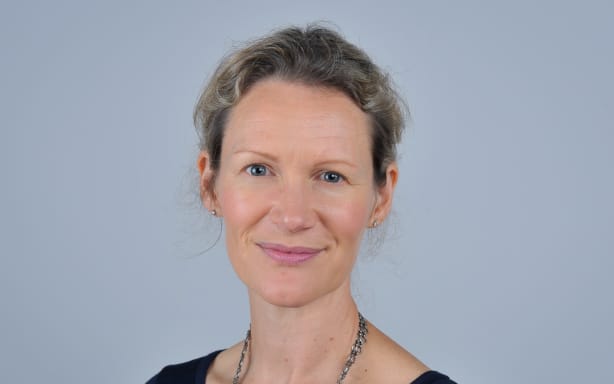
Professor Susanna Every-Palmer, a psychiatrist and head of the Department of Psychological Medicine at the University of Otago in Wellington.
Otago University Wellington
Research has shown some antipsychotic drugs can make people hungrier, and likelier to eat more.
According to WebMD, “people often quickly put on weight after they start antipsychotics and keep gaining over time. Children are more likely to gain weight. Being overweight raises your risk of diabetes, heart attack, stroke, high blood pressure, arthritis, sleep apnea, and some cancers.”
It said the risk was highest with the drugs clozapine, and olanzapine – the drug this man relied on.
Professor Susanna Every-Palmer, a psychiatrist and head of the Department of Psychological Medicine at the University of Otago in Wellington, said it wasn’t just a willpower issue.
“The medications actually can increase appetite, often within weeks. So it’s not that people who gain weight on these medications have failed in any way. It’s a known biological effect, a very well recognised side effect.”
What affect does it have on people already struggling?

Dan Goodwin, community support manager at Changing Minds.
supplied
Dan Goodwin, community support manager at Changing Minds, a national mental health not-for-profit, said weight gain was one of the big reasons people stopped taking psychiatric medication.
“On top of the experiences that the anti-psychotics might be treating […] now you also have a changing physical body as well, which might be causing you distress or it might be causing its own sense of shame.”
Because the priority for healthcare services would be treating the primary issue – that is, the mental distress – weight gain was not often treated as a priority, which could compound that sense of shame, Goodwin said.
Weightloss drugs were growing in popularity, and it raised questions for doctors on how they approached and treated someone with a psychiatric disorder – in more ways than just their brains.
“It’s going to become a more common request as those drugs kind of get developed and grow,” Goodwin said.
Professor Every-Palmer said it also impacted physical health.
“People who are living with conditions for which we prescribe antipsychotic medications, so conditions like schizophrenia, they may die well over a decade earlier [than] the general population, mostly from heart disease and diabeties.”
It could be hard for people to qualify for GPL-1 medicines in New Zealand currently. “And that is something that we as a health system, I think, should be investing in.”