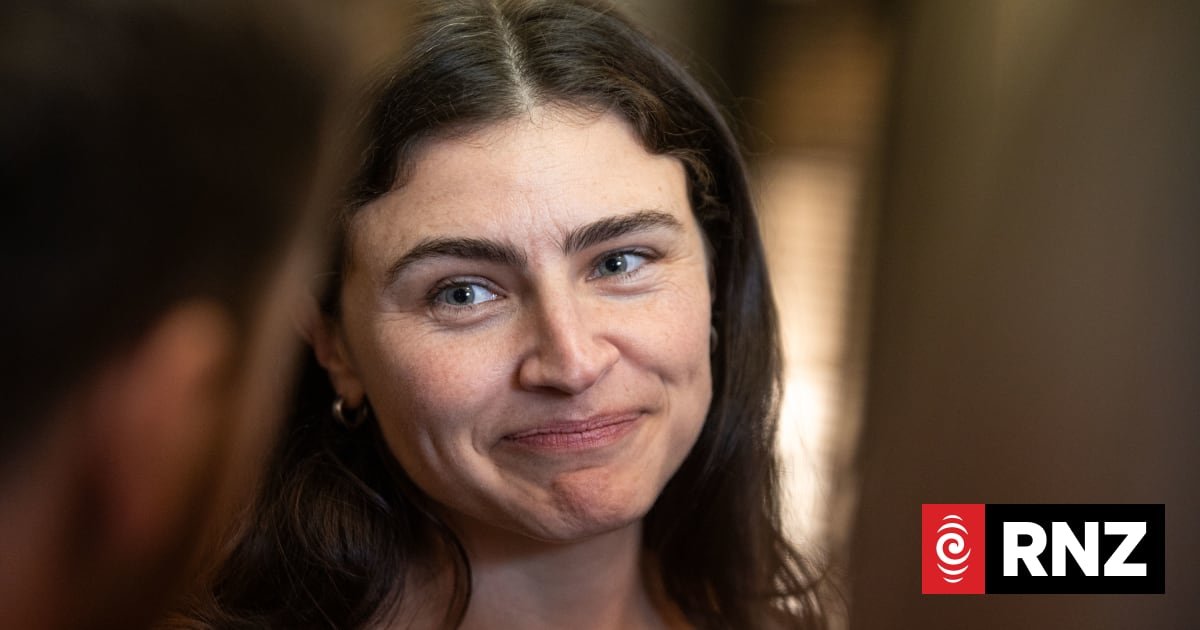
The Greens want to close “Luxon’s carve-outs” for commercial fishers in the Hauraki Gulf, phase out bottom trawling and protect 30 percent of it by reforming marine protected area legislation.
The carve-outs refer to legislation passed late last year boosting marine protections in the Hauraki Gulf that included a late stage amendment allowing commercial ring-net fishing operators exclusive access to two of high protection areas (HPAs). Most commercial and recreational fishing is prohibited in the HPAs.
“It took over a decade and multiple processes to extend protection to 6 percent. Luxon’s Government then ignored 30,000 New Zealanders and carved out commercial fisher’s ability to fish in so-called High Protected Areas,” Green Party co-leader Chlöe Swarbrick said.
“The Greens tried to work with the National Party at the time to prevent those carve-outs, but the Government chose to push ahead.”
The party drafted a bill at the time that would “reverse this unfair treatment and will restore High Protection Areas immediately”.
“We will grow that protection to 30 percent of the Hauraki within the next four years, working with iwi, the Hauraki Gulf Forum, councils, community, and the vast, sweeping majority of New Zealanders who want action now.”
The Green Party announced its plan to protect the Hauraki Gulf – Tīkapa Moana in St Mary’s Bay on Tuesday morning.
“Everyone loves the Hauraki Gulf. We’re supposed to protect and look after the things we love. The Greens will ensure Tīkapa Moana is restored now, flourishing for generations to come,” Swarbrick said.
“New Zealanders deserve to drink, fish and swim in their local water. Those rights are being taken away by rules that privilege commercial profit.”
“The Greens will fix the rules and ensure politics backs up the immense local effort by community, iwi, hapū, conservationists and recreational fishers to support the restoration of our Hauraki.”
“We understand the ecosystem, meaning pressures facing the Gulf also come from the land around it, and in turn impact the seabirds and life that rely on it. That’s why we’ll sensibly regulate what can get in, protect what’s there, and resource revitalisation.”
“We know protection works. Goat Island has been a marine reserve since 1975, and the snapper and crayfish came back. We’ve got more than enough science and community support to do the right thing. The question is whether there the political will to take on commercial interests, and that’s what the Greens are here to deliver,” Swarbrick said.