Comment: In an election campaign focused almost exclusively on costs – the cost of living for the Government’s critics, the cost of taxes for those keen to keep the Opposition out – even more attention than usual has fallen on political parties’ fiscal plans.
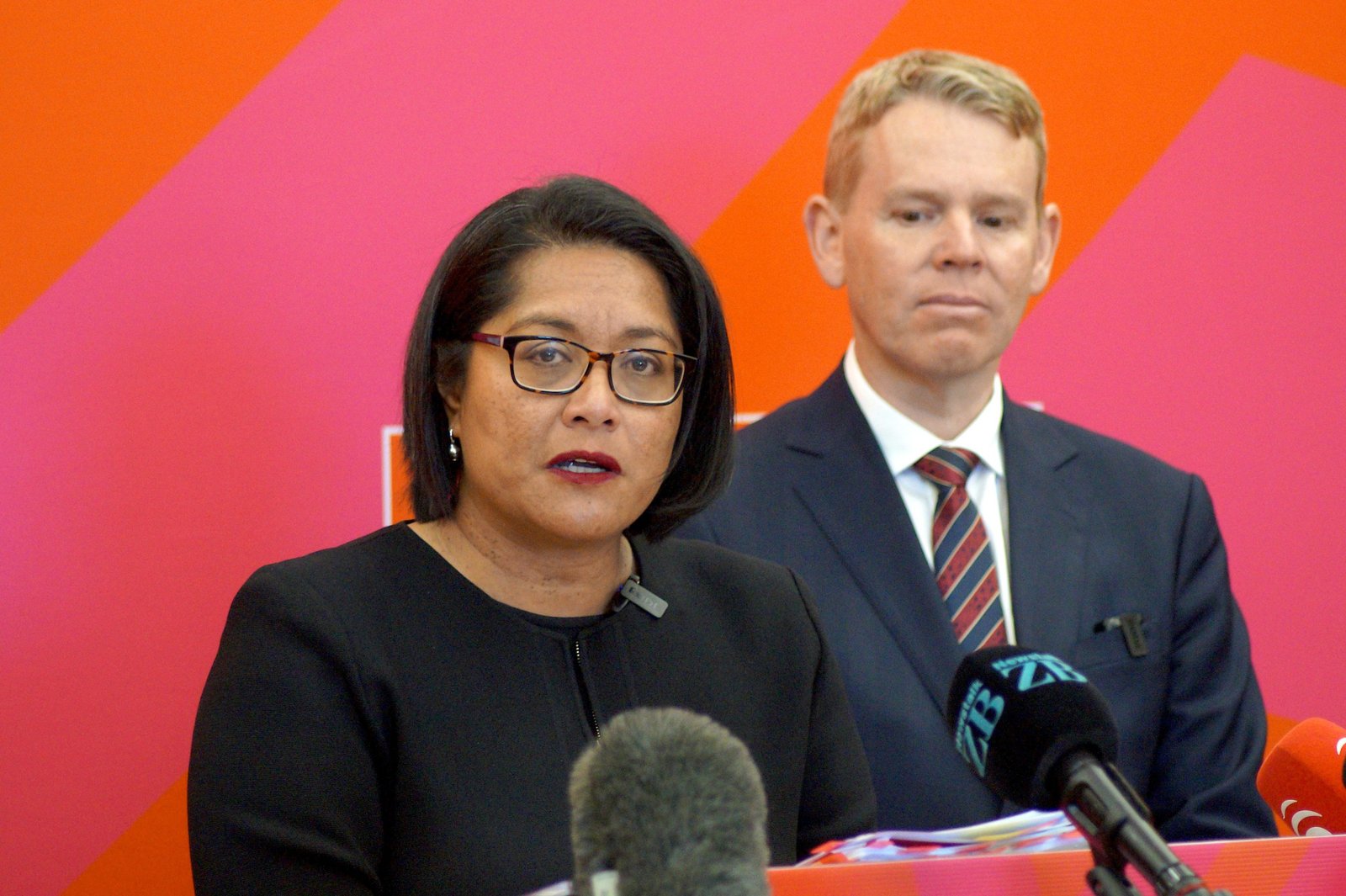
After a relatively lengthy wait, the Labour Party has released a 10-page document that it hopes will reassure uncertain voters that it can make its numbers add up in office.
In key respects, the party has stuck closely to the coalition Government’s own numbers, keeping annual operating allowances at the $2.4b set by Nicola Willis in May’s Budget. The earlier return to surplus in the Government’s pre-election fiscal update is also maintained, as is ring-fenced funding for cost pressures in the health system (worth $13b over four years).
That may cause Labour’s critics on the left to grumble that the party is being insufficiently transformational given the mounting pressure on key public services – but the Labour leader and his team may calculate that is preferable to being accused of spending like drunken sailors.
The party has also had to retain some of the Government’s public service cuts, on the grounds that some would be too far advanced to reverse.
National has hardly been restrained in its response, however, with deputy leader (and Finance Minister) Nicola Willis alleging Labour had “openly chosen to lie” about the costs of its policy commitments.
The main area of contention? The cost of reinstating the pay equity regime that was controversially axed by the coalition Government in 2025.
Labour’s fiscal plan does include $2.5b over four years to fund a $4 increase to the hourly wages of roughly 65,000 care and support workers, described by Hipkins as an “interim pay rise” while the sector completed the pay equity process.
But the document is silent on the broader costs of settling claims under the old system, previously estimated by Treasury officials at $11b but by some unions as even more.
Hipkins pointed to the $10.5b of unallocated spending as “plenty of headroom” for additional settlements, while also implying that health cost pressure funding could go some way towards tackling potential claims in that sector.
“It all comes down to choices,” Edmonds declared. “The fact that these women have basically had pay equity claims cancelled, the Government has not kept aside any contingency for the funded sector – Labour is committed to ensuring that these women get the pay equity that they deserve.”
But a Labour government’s choices could be heavily constrained if it is forced to fund sizeable pay equity settlements from its operating balances while simultaneously finding money for cost pressures in the public sector – all before getting to any fresh initiatives that a first-term government may want to pursue beyond its campaign manifesto.
“Every Budget requires funding for the inevitable cost pressures in the public service, whether it’s our Corrections service, our social services, putting more money into operations grants for schools, ensuring that public sector workers can get pay increases – they can’t spend every dollar twice,” Willis said.
The current Government has also failed to disclose the estimated costs of settling pay equity claims under its own, stricter regime – but Willis said that money, while kept private, had been baked into its spending forecasts unlike Labour.
There are other gaps in the party’s fiscal plan too, such as the exact cost of foregone dividends that would go into its Future Fund (the party has said it would need to receive advice once in office before deciding which Crown assets to use).
Labour’s decision to freeze fuel taxes has also not been specifically accounted for, meaning the party would presumably need to cut transport spending while also moving ahead with its public transport fare cap.
There is also a broader philosophical debate about just how much stock voters can put in fiscal plans from either of the major parties. Whether it is Hipkins or Christopher Luxon who holds power after November 7, it will almost certainly be with a party making up barely half of a coalition government.
Willis and National have been keen to add up the cost of a Labour-led coalition’s ‘nine new taxes’ and other policy commitments – but rather less willing to account for the costs of its own partners’ policies, such as renationalising BNZ or setting up a $100b ‘future fund’.
“This sets out the Labour Party’s plan – that’s what I am responsible for,” Hipkins said of whether the party should account for the post-election deals it may have to strike.
Luxon and Willis would presumably say the same for National – but with the major parties showing no signs of reversing their polling, it may be their smaller partners pulling some of the (purse) strings.