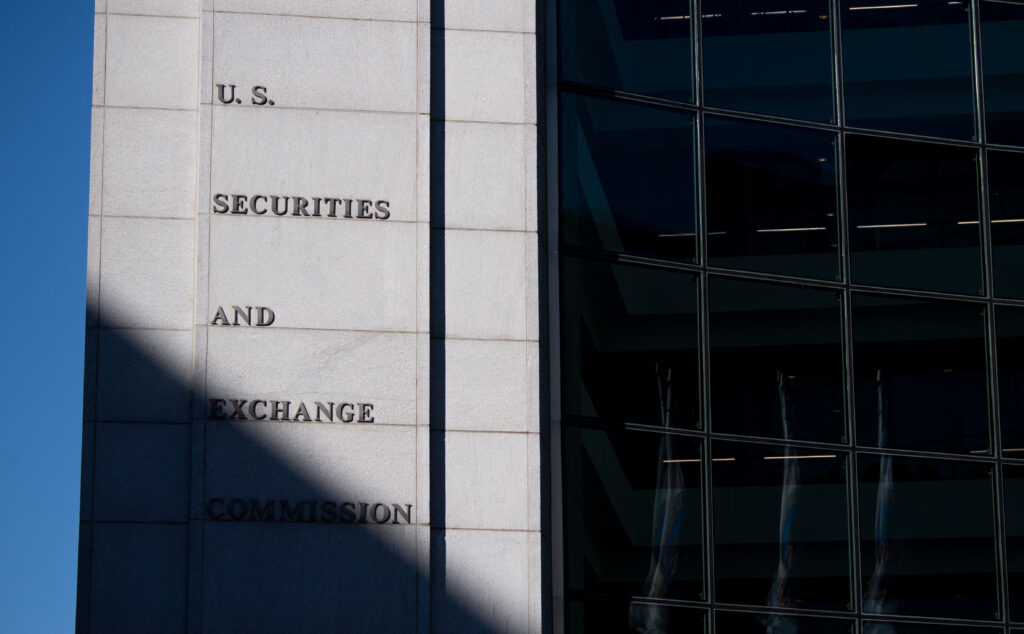
The U.S. Securities and Exchange Commission issued an unusual warning this week to the country’s largest asset managers and a climate-focused investor group over their roles in a 2021 campaign that replaced board directors at ExxonMobil.
The commission published a letter saying it had concluded a probe into the entities, and while it found no evidence of violations, it expressed “serious concerns” about their actions.
Investor advocates and some former SEC staff say the letter clearly aims to suppress shareholder advocacy on climate change and pressure large asset managers like BlackRock, State Street and Vanguard, each of which were named in the letter, to steer clear of the topic entirely.
It is only the latest move by the SEC this year to limit investors’ ability to address climate risks and engage with corporate boards more broadly. The Trump administration and Republican officials across the country have spent years clamping down on efforts to press corporations for climate action.
In 2022, Republicans in the U.S. House of Representatives opened an antitrust investigation into some of the same groups, accusing them of acting like a “cartel.” More than a dozen Republican state attorneys general also launched probes. Oil industry campaign contributions have gone overwhelmingly to Republican candidates.
Mika Morse, who was a policy counsel on climate risk to former SEC Chair Gary Gensler, said many investors and asset managers view climate change as a significant risk to their portfolios and feel a fiduciary duty to engage with companies on the topic, but may now hesitate to continue that work.
“Investors are feeling really inhibited because of this fear that they will become the target of investigations,” Morse said. “And this type of harassment is really effective, unfortunately.”
SEC Enforcement Director David Woodcock, who began that position in May, was an attorney at Exxon during the investors’ campaign, according to his LinkedIn profile. An SEC spokesperson said the investigation began last year and that Woodcock recused himself.
The investigation probed the communications of some of the country’s largest asset managers and pension funds—including BlackRock, State Street, Vanguard, the California Public Employees’ Retirement System and the New York State Common Retirement Fund—with a group called Climate Action 100+, an investor initiative that pushes for climate action by large corporate emitters.
“This type of harassment is really effective, unfortunately.”
— Mika Morse, former SEC policy counsel on climate risk
The report traced what it called a campaign by Climate Action 100+ beginning in 2019 to change Exxon’s board because of the company’s inaction on global warming. The California and New York pension funds were active in the climate group, and BlackRock and State Street joined the initiative in 2020.
By 2021, a small activist investor firm called Engine No. 1 had launched a campaign to replace some of Exxon’s directors. That campaign focused on what the firm said was the company’s poor financial performance—Exxon had been removed from the Dow Jones Industrial Average the previous year as its stock price lagged—rather than inaction on climate change. But the SEC letter said Engine No. 1 had communicated with some Climate Action 100+ members and with Ceres, a sustainable business advocacy group that helps coordinate the climate investor organization.
That year, the campaign succeeded in appointing three new members to Exxon’s board, in large part by convincing large asset managers like BlackRock to vote yes.
It was a huge blow to Exxon and came at a low point for the oil industry. Profits had plummeted during the COVID-19 pandemic. Some analysts were predicting peak oil consumption had passed. Major investors lined up behind the notion that climate risks were systemic, and President Joe Biden had won election the prior year after pledging to shift away from fossil fuels.

In the following years, the oil industry and its allies in public office and think tanks pushed back forcefully, filing lawsuits, investigations and legislation that targeted opponents in the financial sector, academia and elsewhere.
The Trump administration has incorporated this effort as public policy through the Department of Justice, SEC and other agencies, siding with the oil industry in numerous lawsuits, for example.
The SEC investigation examined whether the asset managers and other members of the climate organization coordinated their votes, which could have triggered onerous reporting requirements under SEC rules meant to give public insight into campaigns by activist investors to influence companies.
Firms like BlackRock are exempt from these reporting requirements even though they hold large stakes in many companies because they are considered passive investors. The SEC letter raised the question of whether the firms should have been required to report more extensively in the case of the Exxon campaign.
Experts in securities law say the difference is significant and that a finding of violation could have had serious implications. Ultimately, the commission did not find evidence to support any of these claims but still issued a public report.
This story is funded by readers like you.
Our nonprofit newsroom provides award-winning climate coverage free of charge and advertising. We rely on donations from readers like you to keep going. Please donate now to support our work.
Jim Moloney, director of the SEC’s Division of Corporation Finance, said the “report reminds asset managers and investors of their responsibilities with respect to shareholder engagement, especially in the context of organized efforts that follow a playbook similar to that of Climate Action 100+.”
Shareholder advocates have criticized the SEC report, arguing that it sought to intimidate investors.
“What we’ve seen in the ongoing investigations and attacks on climate groups is simply an opinion that shareholders should not be considering climate,” said Danielle Fugere, president and chief counsel of As You Sow, a nonprofit shareholder advocacy group that is part of the Climate Action 100+. “This is just part of this pressure campaign to ensure that the financial system doesn’t take climate into account.”
Andrew Behar, As You Sow’s chief executive, said the campaign to remake Exxon’s board was an attempt to reverse the company’s declining financial performance, and it worked. He pointed to a sustained increase in Exxon’s value that coincided with the addition of new board members.
Overall, Behar said, the campaign showed how capitalism is meant to work.
Michael Boudett, general counsel at Ceres, said in a statement, “Climate Action 100+ has always operated within U.S. securities law. It supports investors as they assess and address the financial risks that climate poses to the companies they invest in. It is up to every participating Climate Action 100+ investor to make their own decisions, including how they vote their shares.”
He added, “Understanding material risks, including financial risks from climate change, is central to that duty.”
Many shareholder advocates have criticized the SEC more broadly under the Trump administration. It is generally supposed to have five commissioners with at least two from each party, but there are currently only two total, and President Donald Trump has not appointed any Democratic commissioners. Last week, the commission issued a rule saying it can reach a quorum with only one commissioner.
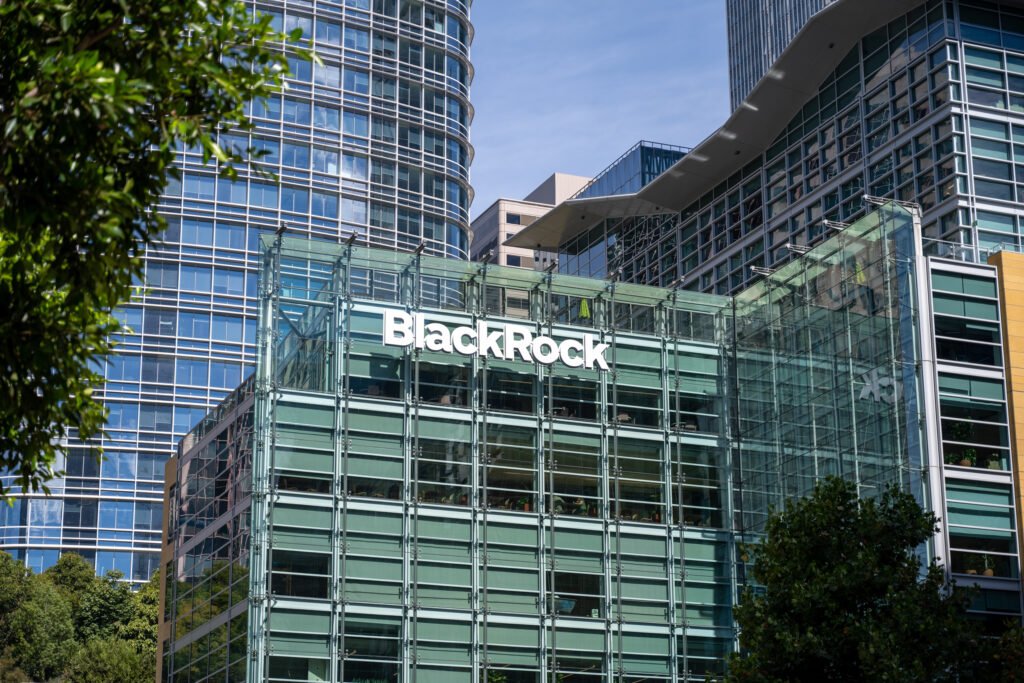
BlackRock and State Street declined to comment, with a BlackRock spokesperson pointing to the SEC report’s declaration that the investigation “did not develop evidence that BlackRock or State Street agreed to vote proxies in certain manners or shared their proxy voting intentions with investors or others associated with” the Climate Action 100+.
Exxon did not respond to a request for comment.
As conservatives have targeted BlackRock, its positions have shifted. The asset manager left the Climate Action 100+ in 2024. Behar said that a few years ago, BlackRock voted in favor of nearly half the proposals his organization supported, which cover numerous social and environmental topics. Last year BlackRock backed hardly any.
Morse said the SEC has identified all the ways investors try to press companies to manage climate risk and is working to shut down each path, from limiting their ability to file shareholder resolutions to making it harder for investors to meet with companies.
“The total picture is pretty stunning,” Morse said.
After the commission proposed rescinding a rule on climate-related disclosures, Morse said she heard from many investors and people at corporations that they disagreed with the proposal but declined to submit comments because they feared retribution.
While she understood their position, she said, “This is such a low point for our democracy, that companies and investors would disagree with a policy but be afraid to comment.”
About This Story
Perhaps you noticed: This story, like all the news we publish, is free to read. That’s because Inside Climate News is a 501c3 nonprofit organization. We do not charge a subscription fee, lock our news behind a paywall, or clutter our website with ads. We make our news on climate and the environment freely available to you and anyone who wants it.
That’s not all. We also share our news for free with scores of other media organizations around the country. Many of them can’t afford to do environmental journalism of their own. We’ve built bureaus from coast to coast to report local stories, collaborate with local newsrooms and co-publish articles so that this vital work is shared as widely as possible.
Two of us launched ICN in 2007. Six years later we earned a Pulitzer Prize for National Reporting, and now we run the oldest and largest dedicated climate newsroom in the nation. We tell the story in all its complexity. We hold polluters accountable. We expose environmental injustice. We debunk misinformation. We scrutinize solutions and inspire action.
Donations from readers like you fund every aspect of what we do. If you don’t already, will you support our ongoing work, our reporting on the biggest crisis facing our planet, and help us reach even more readers in more places?
Please take a moment to make a tax-deductible donation. Every one of them makes a difference.
Thank you,

Reporter, New York